
Late night snacking is rarely about hunger. It's usually about comfort. Here are 5 practical, Functional Medicine-backed strategies to understand your cravings, build healthier evening habits, and finally break the cycle of reaching for the pantry after dinner.
It usually starts innocently. The house is finally quiet, the workday is over, the dishes are done, and the kids are asleep. For the first time all day, you have a moment to yourself, and before you even realize it, you're standing in front of the pantry looking for something to snack on.
If you've ever reached for a bowl of popcorn, a handful of chips, or something sweet after dinner, you're not alone. As a Functional Medicine Health Coach, this is one of the most common challenges I hear from clients, and it's rarely because they're lacking willpower.
The truth is, late night snacking is not always about hunger. More often, it's about comfort. When stress builds, schedules become overwhelming, or your emotional reserves are running low, food can become a quick source of relief. It offers a temporary pause from the demands of the day, and for a few moments, it feels soothing.
There is nothing wrong with wanting comfort. We all need it. The challenge is that many of the foods we reach for in those moments are highly processed, high in sugar, or inflammatory. While they may provide temporary satisfaction, they often leave us feeling sluggish, disconnected from our health goals, and frustrated with ourselves the next morning.
Get Curious About the Craving
The next time you find yourself reaching for your favorite evening snack, pause for a moment and take a deep breath. Ask yourself, Am I actually hungry? Then take it one step further by asking, What am I really needing right now?
Sometimes the answer is food, but often the craving is connected to something deeper.
You may be:
- Stressed from a long day
- Bored and looking for stimulation
- Lonely or disconnected
- Mentally exhausted
- Seeking comfort after caring for everyone else
- Avoiding a difficult emotion
-
Simply responding to a habit that has been repeated for years
This is where awareness becomes powerful. When you recognize what's driving the craving, you create the opportunity to respond to the root cause instead of automatically reaching for food. Not every craving needs to be eliminated. It simply needs to be understood.
Practical Strategies to Break the Late Night Snacking Habit
Once you begin recognizing your triggers, you can start building new patterns that better support your health goals.
1. Try the Pulse Out Method
One of our favorite tools at Clean is called the Pulse Out Method.
If there is a specific snack you find yourself reaching for night after night, consider removing it completely for three to four weeks so you can remind yourself of its true effect when you add it back in.
After a few weeks, you can reintroduce it intentionally and observe how it makes you feel. You may discover that the food has less power over you than you thought.
2. Use the Crowd Out Method
Sometimes it's difficult to break a habit because nothing is taking its place. Instead of focusing on what you can't have, shift your attention to what you can add. Replacing highly processed snacks with nourishing options can satisfy your hunger while supporting your health goals.
Consider keeping options like these on hand:
- A warm, cozy cup of Golden Latte
- Total Magnesium to support relaxation
- Herbal tea
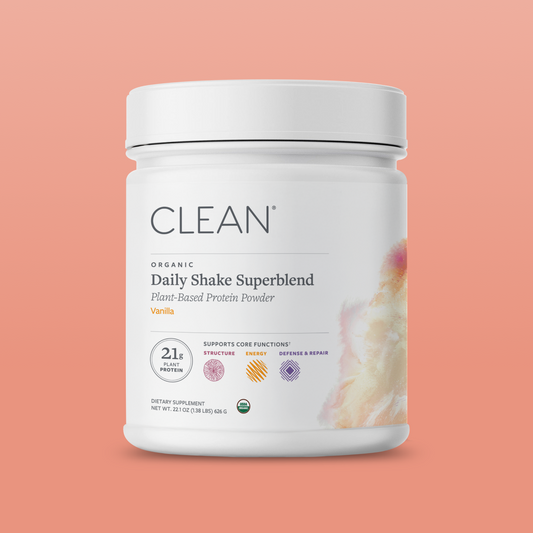
- Bone broth. Try our new Savory Bone Broth for a nourishing cup of 15g grass-fed bovine protein.
- Sliced vegetables with hummus
- A small handful of nuts
- Chia seed pudding
- Apple slices with almond butter
- Leftover protein from dinner
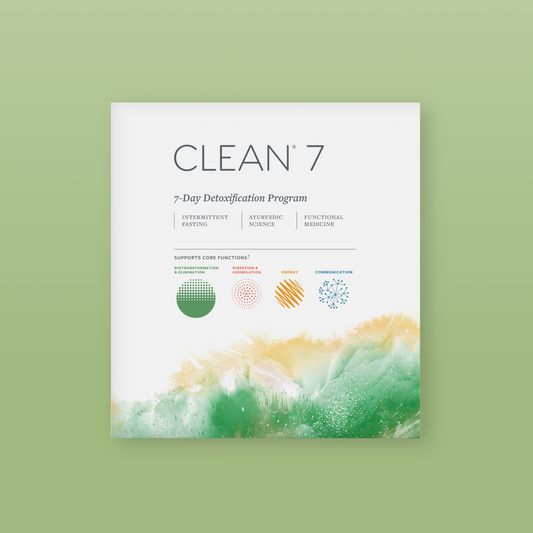
If late night snacking feels deeply ingrained, sometimes a simple swap isn't enough. A structured reset, like Clean 7, can help interrupt the habit by temporarily removing common inflammatory foods and creating a consistent eating rhythm. Many participants find this helps them reconnect with their true hunger cues and build a healthier relationship with food. If cravings continue to be a challenge, GLP-1 Boost+ may also provide additional support by helping support your body's natural production of GLP-1, a hormone involved in appetite regulation and feelings of fullness.

3. Create a Pause Between the Craving and the Action
Many cravings lose their intensity when we create a small interruption.
Before grabbing a snack, try:
- Taking a five minute walk
- Practicing deep breathing
- Stepping outside for fresh air
- Stretching
- Reading a chapter of a book
- Journaling
- Working on a hobby that keeps your hands busy
The goal isn't to distract yourself from the craving forever. Instead, you're creating a small pause that gives you the opportunity to check in with your body before acting on autopilot. That moment of awareness can help you recognize whether you're experiencing true physical hunger or responding to stress, boredom, or another emotional need.

4. Make Sure You Are Eating Enough During the Day
It's also important to remember that not every late night craving is driven by emotions. Sometimes, your body is simply asking for more nourishment. If your meals are too small, your protein intake is low, or your blood sugar has been fluctuating throughout the day, it's completely normal to feel hungrier in the evening.
Focus on balanced meals that include:
- Quality protein
- Healthy fats
- Fiber rich vegetables
- Unrefined carbohydrates
When your body feels nourished, cravings often become much quieter.
5. Honor True Hunger
Not every evening snack is a problem, and if you're genuinely hungry, it's okay to eat. The goal isn't to follow rigid rules or strive for perfection. It's to learn the difference between physical hunger and emotional hunger so you can respond with what your body truly needs. Physical hunger is often satisfied after eating a nourishing snack, while emotional hunger tends to linger, leaving you searching for more even after you've eaten.
A Different Kind of Evening Ritual
For many people, the evening snack isn't just about food. It's become a ritual, a signal that the day is finally winding down and it's time for a moment of comfort. The goal isn't to take that comfort away. It's to expand your definition of what comfort can look like.
That might be curling up with a warm cup of Golden Latte or herbal tea, reading a few pages of a book, practicing deep breathing, taking a walk outside, or simply sitting quietly for a few minutes before bed. As you begin creating new rituals that help you relax and recharge, you'll likely find that food no longer has to carry the entire weight of stress relief. Over time, those small moments of intentional self care can become just as satisfying as the snack itself.

Final Thoughts
If late night snacking has become a habit, approach it with curiosity rather than criticism. Your body isn't working against you, it's communicating with you. Every craving carries information. Sometimes it's asking for nourishment, sometimes it's asking for rest, and sometimes it's simply asking for comfort.
When you slow down long enough to listen, you begin responding in ways that truly support your health instead of working against it. Small shifts practiced consistently create lasting change. One pause, one intentional choice, and one evening at a time. That's where transformation begins.
If you're unsure what your body is telling you or would like personalized support overcoming late night snacking, schedule a functional medicine coaching session. We'd love to help you uncover what's driving your cravings and build habits that support your long term health.