
In this article, Dr. Junger breaks down the biological purpose of inflammation, why your body needs it, and what happens when it goes too far. We’ll explore the difference between helpful and harmful inflammation, how it ties back to your gut health, and simple, daily ways to support your body’s natural balance.
Have you already encountered or heard that “inflammation is the root of all modern illnesses”? What if we’re looking at it in the wrong way? Inflammation isn’t inherently bad — it’s your body’s built-in alarm system. It’s how your immune system communicates that something needs our attention. Like any system, however, when it stays “on” for too long, problems begin. Chronic inflammation is what fuels everything from gut issues and fatigue to joint pain and autoimmune conditions.
I’m Dr. Alejandro Junger, M.D., founder of the Clean Program, and in this article I’ll break down the biological purpose of inflammation, why your body needs it, and what happens when it goes too far. We’ll explore the difference between helpful and harmful inflammation, how it ties back to your gut health, and simple, daily ways to support your body’s natural balance.
Why Your Body Needs Inflammation (Until it Doesn’t)
Inflammation isn’t just a sign that something’s “wrong.” It’s part of your body’s innate defense and adaptation system: when you get injured, exposed to a toxin, digest something harmful, or your immune system detects disruption — inflammation activates. It sends immune cells, increases blood flow, signals repair, and helps clear out damaged tissue.
So, what is the purpose of inflammation in the body? It’s healing, protecting, restoring. Why does the immune system trigger inflammation? Because the body needs to isolate threats, remove damaged cells, and rebuild.
What’s the difference between acute and chronic inflammation? Acute inflammation is short-term, targeted, and resolves once repair is complete. Chronic inflammation, however, is when the system stays “on” even though there’s no longer (or no longer only) an acute threat.
What does inflammation actually do? In the proper context, it draws in immune cells, increases local blood flow to deliver nutrients and remove waste, signals tissue repair, and clears dead or damaged cells and pathogens. However, when it becomes persistent, it can damage healthy tissue, impede healing, disturb immune regulation, and lead to a host of downstream effects.
In short: the purpose of inflammation in the body is healing and defense, until it ends up being a defense turned against yourself.
When Inflammation Turns Against You: The Gut Connection
So when does inflammation stop being helpful and start being harmful? One of the key triggers is when the body is constantly exposed to small injuries, invaders, or stressors, so the immune system never truly “turns off.” Over time, the repair signal remains active, tissue is in a state of semi-alert, the immune system stays engaged. That’s chronic inflammation.
Here is where the gut becomes central. The gastrointestinal tract is home to the largest immune network in the body, and your gut barrier is the frontline between the outside world (food, bacteria, substances) and your internal biology. When that barrier becomes compromised — say through gut imbalance (dysbiosis), disruption of your microbiome, or intestinal permeability (“leaky gut”) — then bacteria, toxins or undigested food particles may cross into places they shouldn’t. When that happens, the immune system responds. And when it happens repeatedly, you get persistent immune activation.
How is chronic inflammation linked to gut health? Gut microbiota imbalances and increased intestinal permeability are strongly tied to systemic inflammation and immune dysregulation. What triggers inflammation in the digestive system? Poor diet (ultra-processed foods, high saturated fat), stress, toxins, infections, antibiotics, alterations in microbial composition, all of these can compromise the gut barrier and spark the activation of the immune system or the defense mechanisms in your body.
In other words: when your gut is “broken” or out of balance, your immune system kicks into survival and adaptation mode. It triggers inflammation to try to protect you. The temporary fix is inflammation but when you “injure” it permanently (through diet, stress, lifestyle) that inflammation never fully resolves and becomes chronic. That’s where the problem begins.
The Signs Your Body is Inflamed (and You Might Not Know It)
Sometimes inflammation shouts—joint pain, visible swelling, obvious illness. But often, the signs are more subtle, especially when inflammation is chronic and low-grade. You might ask: How can inflammation show up beyond joint pain or classic illness?
Here are some of the subtle signals:
- Persistent fatigue or brain-fog
- Bloating, digestive discomfort, irregularity
- Mood swings, low-grade mood issues
- Hormonal imbalances, skin issues (acne, redness)
- Joint stiffness or generalized aches that linger
- Sleep challenges, poor recovery (especially if you use wellness tech like Oura or WHOOP and notice your HRV dipping)
Again: chronic inflammation is often silent.
Why is inflammation connected to fatigue, mood, and/or digestion? Because when your immune system is in semi-alert mode, it reallocates resources—more energy to defense, less to repair, digestion, hormonal balance, nervous system regulation. Your gut-brain axis, immune metabolism and endocrine systems become interwoven. For example, gut microbes produce short-chain fatty acids (SCFAs) that support gut barrier integrity and have anti-inflammatory effects; when those are low, inflammation can increase.
If any of the above sounds familiar–you’re eating clean, you’re dedicated to wellness, yet you still feel off: bloated after meals, tired after workouts, or noticing low-grade joint ache—consider that behind the scenes your body may be staying in “inflammatory mode.”
Calm Your Gut, Calm Your Life: Natural Ways to Reduce Inflammation Through the Gut
What are the most effective ways to reduce gut-linked inflammation? The good news: you have control. And you don’t need to leap into extreme detoxes. Here are foundational, sustainable shifts:
Diet – Focus on whole, real, unprocessed foods (vegetables, legumes, quality protein, healthy fats). Reduce ultra-processed foods, sugar spikes, and food additives which disturb the microbiome and trigger immune activation.
Gut Barrier Repair – Aim for nutrients and practices that support your gut lining: adequate zinc, glutamine, omega-3s, antioxidants, plus minimizing factors that damage the gut (e.g., frequent NSAIDs, antibiotics, alcohol).
Specifically, our product Gut Integrity (L-glutamine powder with botanicals) is formulated to support gut-barrier integrity and help the system transition out of constant immune-activation mode.
Targeted Support for Gut Microbiome – Another layer of support is our probiotic supplement Clean Biome (9-strain broad-spectrum) which helps repopulate beneficial bacteria, support digestive comfort, and support immune-regulation related to gut-immune communication.
Stress & Sleep – Chronic stress and poor sleep are potent triggers of inflammation. The body’s repair mode shuts down when you’re sleep-deprived or in fight-or-flight. Regular, quality sleep and mindfulness practices help reduce systemic inflammation.
Movement & Recovery – Gentle but consistent movement (yoga, walking, breathwork) supports circulation and inflammation resolution. Track your recovery metrics via devices like Oura/WHOOP if you like—reduced HRV or elevated resting heart rate may speak to unresolved inflammation.
Structured Reset Programs – Sometimes, the best way to support the gut is to press pause on what’s irritating it and allow the system to rest and rebuild. Our reset programs offer this type of structured support:
-
Clean 21 – a 21-day full-body reset that begins in the gut. It combines an elimination-style diet, digestive rest (shakes + whole-food meals), and targeted supplements to support overall functional balance.
-
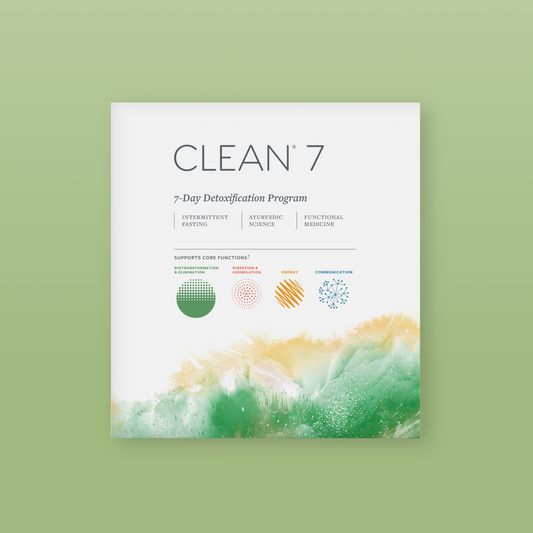
Clean 7 – a 7-day accelerated reset designed for those seeking a shorter, but potent, recalibration of digestion, energy, sleep, stress and immune support.
By integrating these practices and supports, your body can gradually shift from a chronic state of semi-alert inflammation into a state of dynamic repair, balance and vitality.
 How I Heal From the Inside Out — Starting with the Gut
Why do I emphasize gut health first when it comes to reducing inflammation? Because in my experience working with thousands of women (and men) who are proactive about wellness, gut health and hormonal balance, the gut is the gateway to healing. When the gut ecosystem is balanced, the immune system calms, hormonal feedback loops stabilize, and your body shifts out of “survive” mode into “thrive” mode.
I’ve seen clients whose bloating, fatigue, brain-fog, joint-aches, even mild autoimmune flare-ups, began to resolve when we focused on re-establishing a healthy gut microbiome, repairing the gut barrier, and supporting the immune response to de-escalate. When you stop “irritating” the system (via poor diet, toxins, chronic stress) and start supporting the system (via nourishment, probiotics, targeted nutrients, lifestyle) you allow inflammation to do its job and then bow out.
In my holistic method for long-term wellness, I always begin with: gut repair → immune stabilization → lifestyle support → ongoing balance. That’s how we move from surviving inflammatory disruption to living in vibrant immune ease.
Begin Where Healing Begins, In the Gut
If you’ve been battling bloating, fatigue, brain-fog or joint-aches—especially if you’ve cleaned up your diet, are committed to wellness, yet something still feels “off”—your body may be giving you a signal: chronic inflammation. Often the root isn’t just “more anti-inflammatory diet” but instead: why your immune system is in over-drive. And often that reason begins in the gut.
The good news: you don’t need to fear inflammation, you need to understand it, support it, then allow it to rest. Begin with your gut. Nourish it. Support it. And in that space your immune system can shift out of survival mode.
Ready to take action? Support your gut and reduce chronic immune stress by integrating our core supports:
- Explore Clean Biome probiotic
- Consider Gut Integrity (glutamine + botanicals)
Dive into a reset program that complements the above:
- Clean 21: Our 21-day Clean 21 Program is a gentle, science-backed gut-healing reset that uses an elimination diet, digestive rest, and targeted nutrients to restore balance from the inside out.
- Clean 7: The 7-day Clean 7 Program blends Ayurvedic principles, functional medicine, and intermittent fasting for a rapid, yet restorative gut reset that supports detoxification and renewed energy.
Not sure where to start? Schedule a complimentary 1:1 wellness coaching session with a Clean Coach to discover which program or approach best fits your goals.